0
0
 0
0
Table of Contents
The travel industry is evolving rapidly, and with it, travellers’ expectations are shifting toward more responsible and conscious experiences. Boutique hotels, once defined by their charm and individuality, are now taking on a new role as pioneers in sustainable tourism.
Across the UK and beyond, these smaller, character-driven establishments are showing that environmental responsibility and luxury can coexist beautifully. But how exactly are boutique hotels influencing the sustainability movement in travel, and why does it matter more than ever?
What Makes Boutique Hotels Different from Traditional Resorts?

Unlike large hotel chains, boutique hotels operate on a smaller scale, often focusing on local authenticity, community connection, and personalised guest experiences.
This size advantage allows them to make quicker and more impactful sustainability decisions, from sourcing organic ingredients locally to investing in renewable energy systems.
Many of these hotels are housed in restored heritage buildings or renovated townhouses, reducing the need for new construction and preserving historical architecture.
Their business philosophy typically prioritises quality over quantity, aiming to leave a positive mark on their surroundings rather than simply attracting mass tourism.
How Are Boutique Hotels Reducing Their Environmental Footprint?
Sustainability in boutique hotels isn’t just about linen reuse cards or plastic bans, it’s a holistic approach embedded in daily operations. Many adopt renewable energy sources like solar panels or biomass heating, while others focus on rainwater harvesting or greywater recycling to minimise waste.
Energy-efficient lighting, motion sensors, and eco-certified cleaning products are now standard practices. Some properties go even further by implementing zero-waste kitchens or using smart systems to monitor resource consumption.
Because of their smaller size, boutique hotels can adopt these practices faster than large resorts that often face bureaucratic delays. This agility allows them to innovate continually and adapt to emerging green technologies.
In What Ways Do They Support Local Communities?
Sustainability is not limited to environmental efforts, it also includes social and economic responsibility. Boutique hotels often source locally, employing residents and partnering with nearby farmers, artisans, and suppliers. This approach helps circulate money within the community and promotes a more inclusive economy.
Many boutique hotels in the South West of the UK, for example, collaborate with regional producers to feature local wines, cheeses, and organic produce on their menus. By doing so, they reduce transportation emissions while celebrating local craftsmanship.
Such hotels also participate in community events and support conservation or charity projects, reinforcing the idea that travel should give back to the destinations it benefits from.
Do Boutique Hotels Encourage Cultural Preservation?
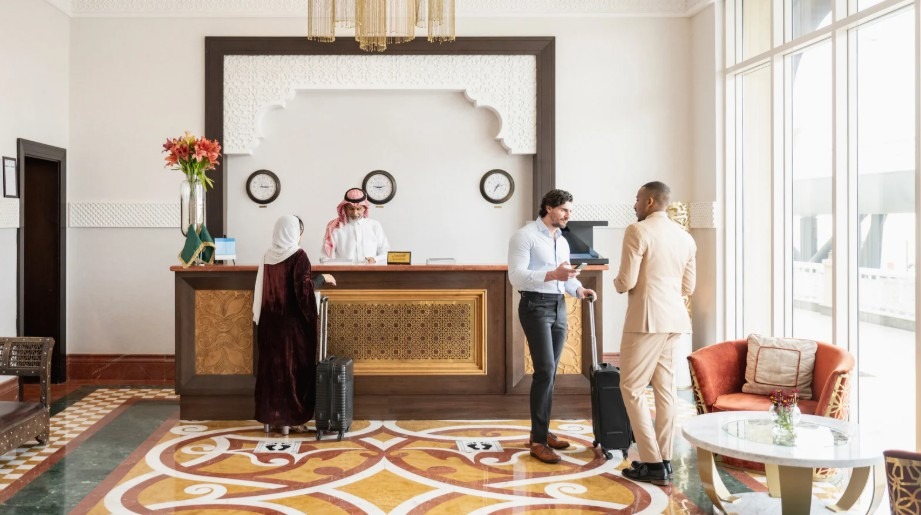
Yes, one of the most powerful impacts of boutique hotels lies in their ability to celebrate and preserve cultural identity. These establishments often reflect local traditions through design, architecture, and storytelling.
Instead of homogenised interiors found in global chains, boutique hotels might incorporate locally made furniture, artwork, or textiles that connect guests to the region’s heritage. This creates a deeper emotional experience for visitors, fostering appreciation for the local culture rather than exploitation.
For towns that rely heavily on tourism, this approach can help prevent cultural erosion and maintain authenticity, a crucial component of sustainable travel.
How Do Eco-Friendly Practices Enhance the Guest Experience?
Sustainability doesn’t mean sacrificing comfort, in fact, it often enhances it. Many boutique hotels use organic bedding, natural lighting, and toxin-free materials to create healthier environments. Guests can enjoy fresh, locally sourced meals and eco-conscious spa treatments without feeling disconnected from indulgence.
The modern traveller values experiences that align with personal ethics. Boutique hotels cater to this by offering transparency, detailing their sustainability initiatives and inviting guests to participate, whether through beach clean-ups, tree planting, or cultural workshops.
This sense of involvement turns accommodation into an experience, creating a lasting impression that blends relaxation with purpose.
What Challenges Do Boutique Hotels Face in Maintaining Sustainability?
Despite their positive impact, boutique hotels face several challenges in maintaining eco-friendly operations. Sustainable technology and certifications can be costly, especially for independently owned properties. Balancing financial sustainability with environmental goals requires creativity and commitment.
Moreover, smaller hotels must compete with large corporations that can market “eco-friendly” labels more aggressively, even when their actions are minimal. True sustainability goes beyond branding, it requires consistency, transparency, and measurable outcomes.
However, these challenges have inspired collaboration. Boutique hotels often share best practices within regional networks and sustainability alliances, creating a collective push toward greener hospitality models.
Can Boutique Hotels Influence the Future of Tourism?

Absolutely. Boutique hotels may be smaller in size, but their influence extends far beyond their walls. By setting higher sustainability standards and proving their economic viability, they inspire larger chains to follow suit. Their focus on conscious consumption aligns perfectly with global travel trends favouring authenticity, wellbeing, and environmental care.
Regions like the South West of England have already seen an increase in travellers who prioritise eco-luxury and cultural connection, a movement well-documented by southwestmag.co.uk. This trend suggests that boutique hotels are not just adapting to the future of tourism; they are helping to define it.
Conclusion
The contribution of boutique hotels to sustainable tourism lies in their ability to balance charm with responsibility. Through local sourcing, eco-conscious design, community engagement, and cultural respect, they are redefining what hospitality means in the 21st century.
Their story is not one of exclusivity but of inclusion, a reminder that meaningful travel experiences stem from harmony with the environment and respect for local culture.
As awareness grows, boutique hotels will continue to set the standard for sustainable tourism, showing that luxury and ethics can truly coexist.


Author Profile

Latest entries
 BusinessDecember 6, 2025How Parcel-Delivery Innovations Are Affecting Logistics Across the South West?
 BusinessOctober 28, 2025How Can You Protect Your Financial Information Online?
 BusinessOctober 28, 2025How Do Boutique Hotels Contribute to Sustainable Tourism?
 BusinessSeptember 29, 2025How Can Unclaimed Bonuses Impact Your Financial Planning?