0
0
 0
0
Table of Contents
The UK is facing a cost-of-living crisis, leaving many people struggling to afford even the basics like food and rent.
At such times, being hit with an eviction notice, a layoff, or a car repair at a reputable garage like In Town Automotive can mean you need quick cash.
Your first thought may be to apply for a personal loan with a bank. However, if you haven’t been able to maintain a good credit score, it becomes difficult to get loan approval from a bank.
In this guide, we’ll talk about what it means to have a low credit score and how you can choose better alternatives to high-cost loans. We will also discuss the pros and cons of different borrowing methods for low credit scores so you can make an informed decision when the need arises.
What Does A Low Credit Score Mean?
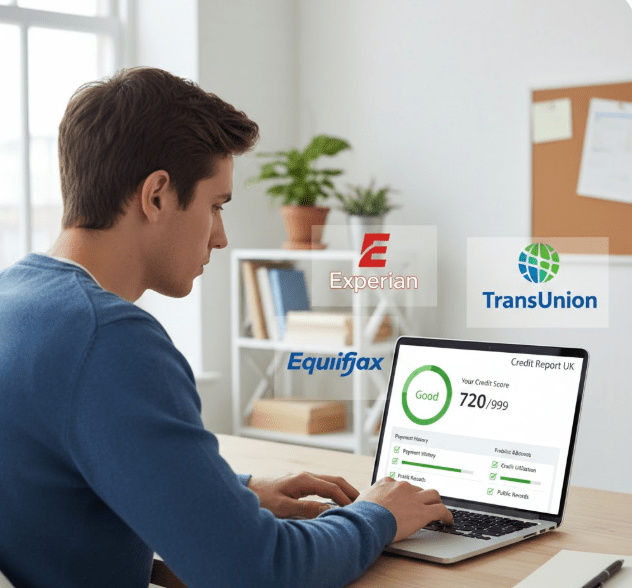
Many people hear the term ‘low credit score’ without really understanding what might have led them there and how they can overcome it. In the UK, your credit scores are obtained from credit reference agencies such as Experian, Equifax, and TransUnion. They consider your borrowing history, payment track record, and credit usage to determine your score.
Your credit score can dip for several reasons. Some key reasons might include missing a couple of loan repayments, having a high credit card debt, or having a thin credit file. That said, there are other ways you can borrow with low credit if you’re excluded from traditional lenders like banks.
All is not lost, though; there are other credible alternatives available if you need a loan for £1,000 in the UK. This includes ethical direct lenders that use Open Banking and digital finance tools to assess your real-time loan affordability instead of just referring to your credit score.
Your Borrowing Options When You Have A Low Credit Score
If a bank has turned you down, it doesn’t mean there are no other safe borrowing options. Here are some alternatives you could consider, which offer you inclusive and accessible credit without you having to worry about your low credit score.

1. Credit Unions
Many communities have their own credit unions that make it easier to borrow money with a low credit score. They also offer fair interest rates with a cap at 42.6% APR. The only drawback of this system is that you must pass affordability checks to become a member. You also need to be a member for a while before you can start borrowing from them.
2. Guarantor Loans
Certain financial organisations give you loans if you can get a guarantor. This is ideally someone with a good credit score, who’s willing to back you and pay the loan in your stead if you fail to repay. Your guarantor could be a friend or a family member who is willing to make repayments if you can’t. This comes with considerable risk, but having someone like this in your corner is your best bet to borrow with low credit.
3. Specialist Lenders
There are some online lenders who, unlike payday lenders, are willing to provide you with loans in emergency situations. They look beyond your credit score when evaluating and only let you borrow as much as you can afford to repay. Reputable direct lenders are FCA-regulated but still have a higher APR.
4. Employer Schemes
If you have been employed with your current employer for some time, they might be willing to offer you a loan against your salary. You don’t typically have to pay interest, and they deduct monthly repayments from your salary. It’s worth asking your HR Department if this is an option. This way, you avoid paying interest and can still access a lump sum amount.
5. Community Development Finance Institutions (CDFIs)
These are non-profit organisations that offer loans to people who can’t get loans from banks due to low credit scores. They already understand your situation and are more empathetic about it. They’re FCA-regulated, and terms are fair but vary from provider to provider.
Understanding the Pros and Cons
All the above options have their own pros and cons. For example, a credit union might have the lowest interest rates, but it can take a long time to process your application. A guarantor loan might really help you in times of need, but it means you’ll have to involve someone else in your financial situation.
Many specialist lenders offer faster approvals, but they usually come with very high interest rates. When you’re considering these options, focus on solving your immediate financial problems without creating bigger ones further down the line.
Final Thoughts
A little financial preparation through budgeting or setting up an emergency fund can make a huge difference in how you manage urgent expenses. When done right, it can minimise your need to rely on external credit without having to worry about high interest rates or a low credit score.
This could involve checking your credit report for any errors or discrepancies, assessing your financials, understanding your loan repayment capacity or even creating a smart budget that works for you.
A low credit score doesn’t need to be the end of the world. Even in an emergency, you can do your due diligence and choose an ethical lender like Salad. This way, you limit your borrowing risks considerably and can have a better, more straightforward loan experience.


Author Profile

- London Copywriter
- Blogger and Educator by Passion | Senior Online Media & PR Strategist at ClickDo Ltd. | Contributor to many Education, Business & Lifestyle Blogs in the United Kingdom & Germany | Summer Course Student at the London School of Journalism and Course Instructor at the SeekaHost University.
Latest entries
 LifestyleJanuary 20, 20265 European Luxury Destinations That Are a Great Learning Experience for Kids
 FinanceDecember 4, 2025How to Borrow £1,000 Even if You Have a Low Credit Score
 Home & LivingJune 25, 20254 Luxury Rentals in London You Should Consider
 LifestyleApril 16, 2024Top 5 Trash-Tackling Trends & Innovations in London