0
0
 0
0
Table of Contents
The logistics industry in the South West has undergone major transformation in recent years, driven largely by shifts in consumer behaviour and rapid advancements in parcel-delivery technology.
From e-commerce growth to rising expectations for same-day and next-day services, delivery networks have been pushed to evolve faster than ever before. Innovations such as automation, improved routing systems, electric vehicles, and smart-delivery solutions are helping logistics providers keep pace while reducing environmental impact.
As these technologies reshape how parcels move through the region, businesses and consumers alike are feeling the effects of greater efficiency, reliability, and adaptability.
How Are E-Commerce Trends Pushing Parcel Networks to Innovate?
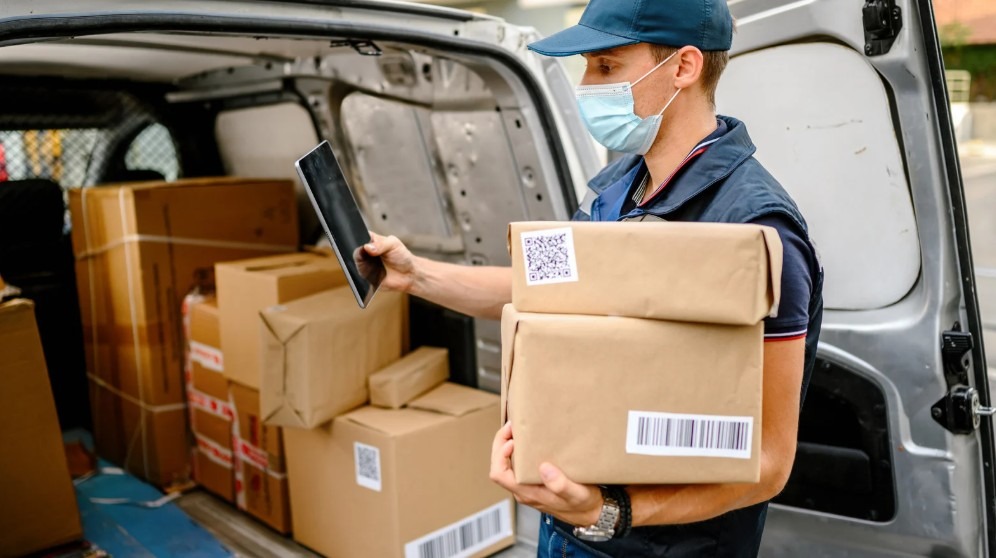
The surge in online shopping has fundamentally changed the logistics landscape in the South West. Increased parcel volumes require carriers to operate faster, scale more effectively, and deliver with better accuracy.
To keep up, companies are investing in automation tools, digital tracking systems, and predictive demand technologies that streamline end-to-end delivery processes. Warehouses are becoming smarter, using robotics and advanced sorting systems to speed up processing times.
Rural and suburban areas across the South West, traditionally harder to service, now benefit from improved last-mile solutions designed to meet growing customer expectations for convenience and speed.
What Role Does Sustainable Delivery Play in Regional Logistics?
Environmental concerns have pushed logistics providers in the South West to prioritise green delivery methods. Electric vans, hybrid fleets, cargo bikes, and low-emission transport routes are becoming more common as companies work to reduce carbon output.
Many urban centres now support low-traffic zones, encouraging carriers to rethink distribution models. These sustainable initiatives also resonate with consumers, who increasingly prefer brands that demonstrate environmental responsibility.
Reports highlighted by South West Mag often show how local businesses are adapting to sustainability targets while still maintaining high service levels. This combination of eco-friendly practice and operational efficiency is shaping the future of regional logistics.
How Is Technology Transforming Last-Mile Delivery Efficiency?
Last-mile delivery remains one of the most complex and costly elements of the logistics chain, especially in a region with varied geography like the South West.
Innovations such as real-time route optimisation, AI-powered fleet management, and customer-scheduled delivery windows have significantly reduced delays and improved consistency.
Smart lockers, secure drop-off points, and app-based parcel notifications help customers receive packages without waiting at home, easing pressure on drivers and reducing repeat delivery attempts. The integration of these technologies ensures smoother coordination across networks and a more seamless experience for customers from dispatch to doorstep.
How Are Logistics Hubs and Micro-Warehouses Supporting Faster Delivery?
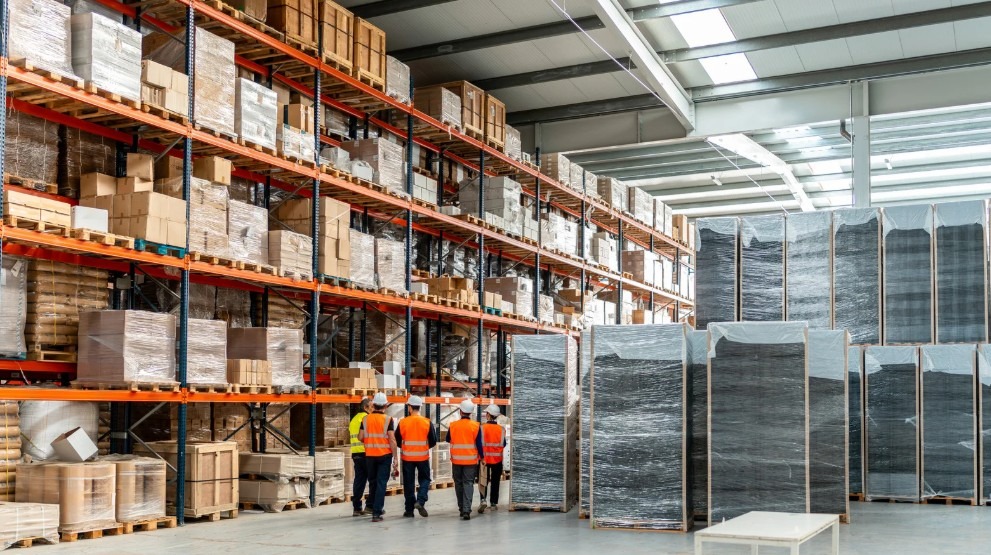
As demand for faster delivery continues to rise, logistics providers are rethinking how and where they store goods. Micro-warehouses and regional fulfilment hubs are appearing in key South West locations, enabling faster dispatch and improved inventory management.
These smaller, strategically placed sites shorten delivery distances and help companies respond quickly to spikes in local demand. They also support flexible delivery options, such as same-day services and timed deliveries that depend on close proximity to customers.
By decentralising storage, logistics networks achieve greater resilience and efficiency, reducing both transit times and operational congestion.
What Impact Do Autonomous and Assisted Technologies Have on Delivery Systems?
Emerging technologies such as autonomous delivery robots, drone trials, and driver-assistance systems are beginning to influence how parcels move across the South West. While still in early stages, these innovations offer significant potential for improving reliability and reducing labour-intensive tasks. Driver-assistance tools, including adaptive navigation and automated loading systems, enhance safety and productivity.
In rural regions, drone technology may eventually support hard-to-reach deliveries, improving accessibility without requiring major infrastructure investment. As these tools evolve, they promise to reshape the standard delivery model and offer customers new levels of speed and convenience.
Conclusion
Parcel-delivery innovations are rapidly transforming logistics across the South West, making delivery networks smarter, greener, and more responsive to modern expectations. From sustainable transport solutions to tech-driven last-mile improvements and the rise of decentralised fulfilment hubs, the region is embracing change to support both businesses and consumers.
As technology continues to develop, the South West’s logistics landscape is set to become even more efficient and adaptable, reinforcing its role as a dynamic hub for regional commerce.


Author Profile

Latest entries
 BusinessDecember 6, 2025How Parcel-Delivery Innovations Are Affecting Logistics Across the South West?
 BusinessOctober 28, 2025How Can You Protect Your Financial Information Online?
 BusinessOctober 28, 2025How Do Boutique Hotels Contribute to Sustainable Tourism?
 BusinessSeptember 29, 2025How Can Unclaimed Bonuses Impact Your Financial Planning?